Birth Right Citizenship FOCUS: Justices Thomas & Brown. The Legacy of Freedom Is Now In Their Divine Providential Charge
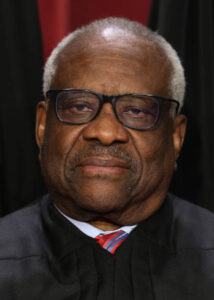
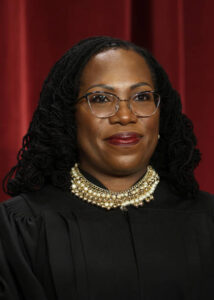
Open Letter #1 To: Supreme Court Justices Clarence Thomas and Ketanji Brown-Jackson
Open Letter #2 To: Supreme Court Justices Clarence Thomas and Ketanji Brown-Jackson
Thomas and Brown stand at
Thomas and Brown are central not merely because they are votes on the Court, but because this controversy reaches into the deepest original wound and original remedy of American constitutional history.
The current Supreme Court includes Justice Clarence Thomas and Justice Ketanji Brown Jackson among its nine members.
Thomas is one of the longest-serving current Justices, and Jackson became the 104th Associate Justice on June 30, 2022.
Their presence matters symbolically and institutionally because the birthright citizenship dispute is not just about text in the abstract; it is about the meaning of citizenship in the aftermath of 245 years of generations-destroying, chattel slavery and interrupted Reconstruction.
Note: The 2008, Official, Congressional HR 194, Resolution entitled, “Apology for Slavery and Jim Crowism”, states that such human bondage and trafficking was the worst in world history of civilisations.
In your framing, the Civil Rights Act of 1866 and the Fourteenth Amendment were not generic immigration measures.
They were remedial nation-repair measures, forged in the aftermath of chattel slavery to secure the civil and political standing of the formerly enslaved and their descendants.
On that reading, Thomas and Brown are central because they are not distant from the question.
They are, in a profound historical sense, standing inside the long shadow of the very constitutional crisis being argued.
A most honourable station to be in, the opportunity to enter the great landmarking Abraham Lincoln legacy, hence, as a “linchpin” personality in US history, given the situational circumstances concerning BRC at this time.
Their mere presence on the bench makes the case feel less like a sterile doctrinal fight and more like a reckoning with whether the Republic remembers who the Reconstruction settlement was for.
Thomas is central in one way because he represents continuity, memory, and the burden of long service.
He has sat through decades of modern equal-protection, federalism, and originalist battles.
This grants and empowers him with unusual, unprecedented gravity: he cannot be treated as a casual observer to the constitutional afterlife of slavery.
Brown is central in another way because Jackson, as the newest Justice and the first Black woman on the Supreme Court, represents a newer generational embodiment of the same unfinished constitutional promise.
Together, the two of them can be narrated as the Court’s most visible internal witnesses to the question whether the nation will narrow Reconstruction again, or finally read it with fidelity to its original emergency, purpose, and beneficiaries.
That is why, when Birthright Citizenship is before the Court, Thomas and Brown are not peripheral Justices; they are the two Justices whose very presence reminds America that this case is inseparable from slavery, emancipation, Reconstruction, and the federal citizenship of those once excluded from the constitutional household.
That does not mean they alone decide the case.
It means the case presses with special force upon them, because the matter touches the legal destiny of a people whose struggle is inseparable from the history that produced the Reconstruction Amendments in the first place.
Thomas and Jackson are two Black federal citizens (Fed Citz) Justices now serving, which gives this framing its public and symbolic force.
Why Thomas and Brown?
Because when America argues over Birthright Citizenship, the two Black Justices on the Court stand nearest to the original wound and the original remedy—slavery on one side, Reconstruction on the other.
Their presence reminds the nation that this is not just a border case or a paperwork case. It is a citizenship-memory case.